
When it comes to achieving a brighter smile, the terms teeth whitening and bleaching are often used interchangeably. Yet, there is a subtle but important distinction.
Whitening refers to a broad range of methods that improve brightness, while bleaching describes a specific chemical process that changes tooth color at a deeper level. Understanding teeth whitening vs. bleaching helps you make informed decisions while maintaining your dental health.
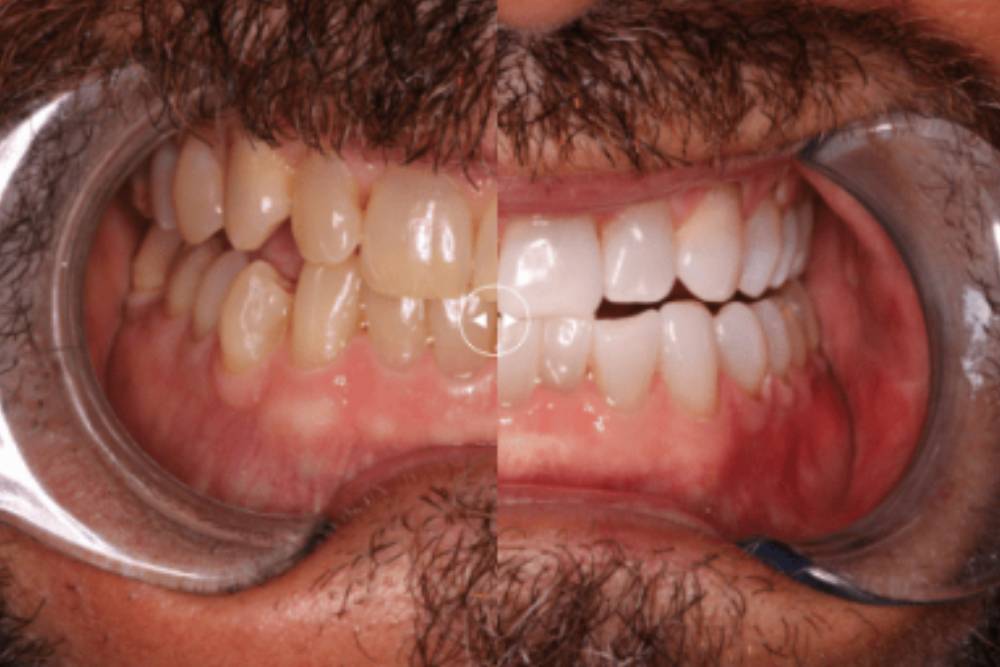
What Teeth Whitening Really Means
Teeth whitening typically refers to methods that reduce or remove surface stains. These methods include whitening toothpaste, professional polishing, and treatments designed to refresh the appearance of your smile. The focus remains on discoloration caused by food, beverages, and daily habits.
This approach improves brightness at the surface level. It does not always reach deeper layers of the tooth. Results can appear more subtle when compared with bleaching. For patients evaluating teeth whitening vs. bleaching, this difference in depth plays an important role in setting expectations.
Bleaching: A More Intensive Approach
Bleaching represents a more advanced form of whitening that uses chemical agents such as hydrogen peroxide or carbamide peroxide. These compounds penetrate enamel and dentin. They release molecules that break apart the compounds responsible for discoloration.
This process can create noticeable changes in tooth shade. In-office treatments often deliver visible results in a shorter period. At-home systems with custom trays follow a similar method over a longer timeline. Both approaches can achieve meaningful improvements when used correctly.
Carbamide peroxide, often used in take-home treatments, breaks down into hydrogen peroxide and urea. This slower release of hydrogen peroxide allows for controlled bleaching and can reduce sensitivity in some cases. Hydrogen peroxide-based in-office treatments, on the other hand, are stronger and work faster but are best performed under professional supervision to avoid irritation.
Surface Whitening Versus Internal Stain Removal
A key difference in teeth whitening vs. bleaching lies in how each method interacts with the tooth. Surface whitening targets external stains with polishing agents or mild abrasives. It improves brightness without changing the internal tooth structure.
Bleaching reaches deeper layers of the tooth. It addresses internal discoloration that surface methods cannot correct. This includes staining related to aging, trauma, or certain medications. Understanding this distinction helps guide treatment decisions based on the cause of discoloration.
Safety and Sensitivity Considerations
Both whitening and bleaching involve potential side effects, though they differ in nature. Abrasive whitening products can wear enamel over time if used too often. Chemical bleaching can lead to temporary sensitivity or irritation when not applied correctly.
Professional care includes monitoring throughout treatment. Adjustments can be made to reduce discomfort and maintain safety. Alternative ingredients such as phthalimidoperoxycaproic acid, known as PAP, have been introduced as gentler options. These formulas can reduce sensitivity while still producing visible changes.
Following recommended usage guidelines remains important. Overuse can affect enamel and gum health. Routine dental visits help identify early signs of irritation and keep treatment on track.
Professional Versus At-Home Options
Dental offices perform both whitening and bleaching using stronger formulations and customized techniques. These methods focus on precision and controlled application. At-home products such as strips, trays, and toothpaste add convenience, though results often develop more gradually.
The choice between these approaches depends on your goals, schedule, and oral health. A dental evaluation helps determine the most appropriate method. Combining in-office care with at-home maintenance can help extend results and maintain a consistent shade over time.
Professional Expertise and Advanced Techniques
Modern cosmetic dentistry uses advanced tools to refine outcomes. Digital shade matching improves accuracy when selecting the desired level of brightness. Custom trays create a more even application. Laser-assisted systems enhance control during treatment.
These techniques reduce uneven results and improve predictability. A practice that incorporates updated technology can achieve a higher level of consistency and detail in the final outcome.
Choosing the Right Approach for Your Smile
When deciding between teeth whitening vs. bleaching, consider both the type of discoloration and your expectations for results. Superficial stains may respond well to whitening pastes or mild in-office polishing, whereas deeper intrinsic discoloration often requires bleaching. Consulting with a knowledgeable dental professional can help you identify the most appropriate strategy for your goals.
Canatella Dental’s team approaches smile enhancement with a focus on precision and individualized care. By understanding the differences between whitening and bleaching, we design treatments that complement your teeth and overall appearance. Our advanced laser techniques and minimally invasive procedures allow for comfortable, effective results that highlight your natural beauty.
Experience a brighter smile guided by expert care and meticulous planning. Schedule a private consultation to explore the best option for your teeth, and let us create a whitening or bleaching plan designed uniquely for you.