Quick Summary
Deciding between dental bonding vs. veneers depends on your specific aesthetic goals, budget, and the current health of your enamel. While dental bonding offers a conservative fix for minor chips and gaps, veneers provide a long-term, stain-resistant transformation for more significant structural or color concerns. Both options utilize advanced materials to mimic the light-reflecting properties of natural teeth, but they differ greatly in terms of longevity and the level of tooth preparation required.
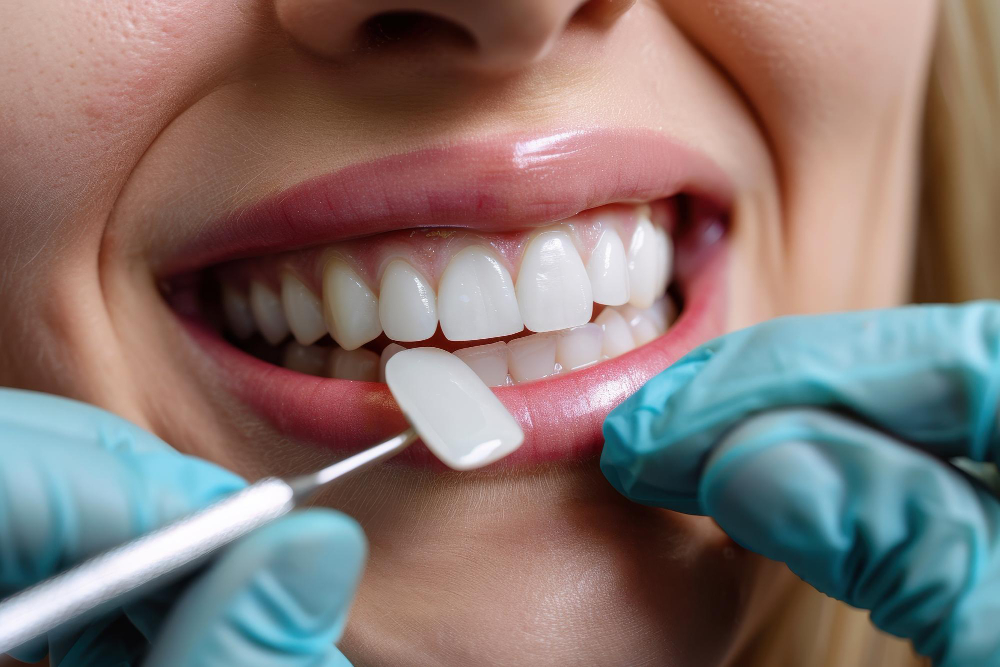
When you look in the mirror, it is often the tiny details that stand out the most. Minor imperfections, a slightly jagged edge, a narrow gap, or a persistent stain can occupy a lot of mental space.
Are you torn between dental bonding vs. veneers as potential solutions for these concerns? While both can dramatically refresh your appearance, they differ significantly in their application, longevity, and how they interact with your natural tooth structure. Finding the right fit is about balancing your immediate needs with the long-term vision you have for your oral wellness.
Understanding Dental Bonding
Dental bonding treatments in New Orleans, LA involve the application of a tooth-colored composite resin directly to the surface of the tooth. It is often described as a sculpting process because the material is soft and pliable when first applied, allowing for precise shaping to fill in cracks or change the proportions of a tooth. Once the desired shape is achieved, a high-intensity light is used to harden the resin, which is then polished to match the sheen of the surrounding enamel.
Benefits of Dental Bonding
- Minimal Preparation: One of the most significant advantages is that it usually requires little to no removal of the natural tooth enamel, preserving the integrity of your biological structure.
- Immediate Results: Most sessions are completed in a single visit, making it an excellent choice for those looking for a transformation without multiple appointments.
- Cost-Effective: Because the process is less complex and doesn’t require an external laboratory, it is generally a more budget-friendly entry point for aesthetic improvements.
- Reversibility: Since the natural tooth remains largely intact, the procedure is often easier to modify or update in the future compared to more permanent alternatives.
What Are Veneers?
If you are looking for a more dramatic or permanent change, veneers are thin, individually crafted shells made from medical-grade ceramic. These are typically made from high-quality porcelain because of its incredible strength and its ability to mimic the translucency of natural enamel. Unlike resin, these shells are fabricated in a specialized lab and then bonded permanently to the teeth, providing a durable and stain-resistant finish that can last for decades with proper care.
Benefits of Porcelain Veneers
- Superior Durability: The ceramic materials used are much stronger than composite resin, making them highly resistant to chipping and wear from daily activities.
- Stain Resistance: Porcelain is non-porous, meaning it won’t absorb pigments from coffee, tea, or red wine, keeping your smile bright and vibrant for the long term.
- Comprehensive Transformation: This method is ideal for correcting more severe issues, such as heavy internal staining, significant misalignment, or worn-down teeth.
- Bespoke Aesthetics: Because they are hand-crafted in a laboratory, every shell is designed to complement your facial symmetry and lip line for a truly personalized result.
Dental Veneers Vs. Bonding: Key Differences
When weighing veneers vs. bonding, the primary distinctions lie in the materials and the lifespan of the treatment:
Durability
Composite resin used in bonding is a plastic-based material that, while strong, can eventually dull or pick up stains over several years. Porcelain veneers in New Orleans, LA maintain their luster and structural integrity much longer.
Treatment Method
Additionally, the physical approach differs significantly; veneers usually require a small amount of enamel removal to ensure the shells sit flush with the gum line, whereas bonding is simply layered on top of the existing tooth.
Aesthetics
Furthermore, the matching capability varies between the two. While resin can be shade-matched accurately, porcelain has a multi-layered quality that captures light exactly like a biological tooth.
Which Option Is Right for You?
The best choice depends on the scale of the correction needed and your lifestyle. If you have a single chipped tooth or a small gap that you want to fix quickly and conservatively, bonding is likely the most appropriate route. It is also a fantastic way for younger patients to bridge the gap until they are ready for more permanent restorations later in life.
However, if you are looking to change the overall shape, size, and shade of several teeth at once, the durability and stain resistance of porcelain make it the superior choice. At Canatella Dental, we believe in looking at the whole person rather than just the teeth. We prioritize a concierge-level experience where we help you weigh these factors against your daily habits and long-term wellness goals.
We focus on providing the luxury of undivided attention throughout this journey, ensuring that whichever path you choose, the result is structurally sound and aesthetically pleasing.
Getting the Right Smile, Right Now
Choosing between these two transformative paths is a personal decision that impacts your confidence and oral health for years to come. Our Lakeview office offers a professional and warm environment where you can explore these options without pressure. Located just a straight shot down I-10 from Kenner and a short 10-minute trip over the 17th Street Canal, we make it easy to incorporate your care into your schedule.
Schedule a private consultation for our dental services and experience our patient-centered approach firsthand.
FAQs
How long does each treatment typically last?
Dental bonding usually lasts between three to seven years before the resin may need to be touched up or replaced due to wear or staining. Porcelain veneers, on the other hand, are much more durable and can easily last fifteen to twenty years or more with a consistent schedule of brushing, flossing, and regular wellness exams.
Is the process for getting veneers painful?
We prioritize patient comfort and use advanced technology to ensure a gentle experience. While a small amount of enamel is removed for veneers, the process is minimally invasive. Most patients report little to no discomfort, and we offer a welcoming environment designed to put you at ease throughout the preparation and placement phases.
Can I whiten my teeth after getting bonding or veneers?
It is important to know that professional whitening treatments only work on natural enamel; they do not change the color of composite resin or porcelain. For this reason, we often recommend whitening your natural teeth before the procedure so that we can match your new restorations to your brightest, healthiest shade.