
Veneers have become one of the most talked-about options in cosmetic dentistry, and it’s easy to see why. A few thin shells of porcelain can correct years of discoloration, close gaps, reshape uneven teeth, and completely reframe your smile.
Before you get porcelain veneers for your teeth, there are some things worth understanding clearly. The more informed you are going in, the better your outcome tends to be.
What Getting Porcelain Veneers for Your Teeth Actually Means
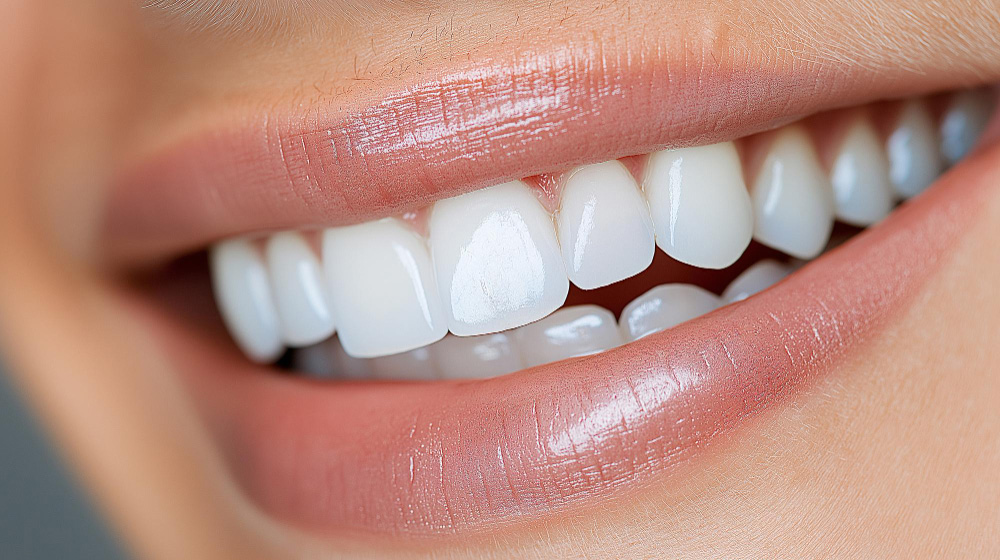
Porcelain veneers are ultra-thin, custom-made ceramic shells bonded to the front surface of your teeth. They’re designed to mimic the way natural enamel reflects light, so results look natural without appearing fake or overdone. The process typically spans two to three appointments. It starts with a consultation, wax-up, and then moves into tooth preparation and impressions, and finishes with the permanent placement of your custom restorations.
A dental wax-up is a detailed preview of your future smile created before cosmetic treatment begins. Using a precise model of your teeth, our dental laboratory carefully sculpts wax onto the model to design the exact shape, size, and alignment of the veneers or crowns that will be placed. This process allows us to plan every detail of your new smile before treatment even starts.
Why a Wax-Up Is Important
A cosmetic wax-up helps ensure exceptional results by allowing both the dentist and patient to visualize the final outcome. Benefits include:
- Preview Your Smile: See how your teeth will look before treatment begins.
- Precision Planning: Allows the dentist to design ideal tooth shape, proportions, and bite.
- Improved Communication: The wax-up guides the dental laboratory and ensures everyone involved understands the final goal.
- Predictable Results: Reduces surprises and helps deliver beautiful, natural-looking restorations.
From Wax-Up to Your New Smile
Once the wax-up is approved, it becomes the blueprint for your treatment. We will create temporaries from the wax-up so you can experience the look and feel of your new teeth before your final veneers or crowns are made.
This careful planning process allows us to deliver cosmetic results that are beautiful, functional, and customized specifically for you.
The process typically spans two to three appointments. It starts with a consultation, then moves into tooth preparation and impressions, and finishes with the permanent placement of your custom restorations.
Understanding what the process involves from start to finish helps you walk in with realistic expectations and walk out with results you’re happy with.
Veneers Are a Permanent Decision
This is the consideration most people underestimate. Preparing a tooth for a traditional porcelain veneer requires removing a thin layer of enamel, usually around 0.3 to 0.5 millimeters from the front surface.
Since enamel doesn’t grow back, this is irreversible. You’ll always need a veneer on those teeth going forward, and when one eventually needs replacing, the process continues.
Your Oral Health Has to Come First
Veneers sit on top of your teeth for cosmetic purposes, but they rely entirely on what’s underneath them. Active gum disease, untreated decay, or structurally weakened teeth all need to be resolved before veneers can be considered. Placing them over compromised teeth is a shortcut that leads to poor results and potential long-term damage.
Think of it this way: veneers are a finishing touch, not a foundation. Getting a full dental evaluation before any cosmetic work begins is a must. A good dentist will tell you honestly if there’s preparation work needed first.
Veneers Don’t Suit Everyone
Candidacy matters more than most people realize. If you grind or clench your teeth heavily, a condition known as bruxism, the pressure you place on your teeth during sleep can chip or crack porcelain over time. A night guard can help, but it’s worth discussing with your dentist whether veneers are the right material choice for your bite habits.
Patients with significant orthodontic issues may also be better served by addressing alignment first. Placing veneers over a misaligned bite can create uneven pressure and affect their longevity.
In some cases, a course of clear aligner treatment before veneers leads to a far better final result. Your dentist should walk you through the sequence that makes the most sense for your specific situation.
Shade Selection Is More Nuanced Than You’d Expect
Most people walk into a veneer consultation wanting the brightest white possible. The reality is that the right shade depends on more than personal preference. Your skin tone, the natural whites of your eyes, and the surrounding teeth all play a role in what looks natural versus what looks artificial.
A skilled cosmetic dentist will help you find a shade that enhances your smile without making it look like a separate feature from the rest of your face. The goal is teeth that look like the best version of yours, not a Hollywood costume piece.
There’s also a sequencing consideration here. If you’re planning to whiten your natural teeth as well, do it before your veneers are color-matched. Porcelain doesn’t respond to whitening treatments the way natural enamel does. Getting the order right means everything blends consistently once the veneers are placed.
Maintenance Is Simple, But Habits Matter
Porcelain veneers don’t require a complicated upkeep routine. Brush twice daily with a non-abrasive fluoride toothpaste, floss regularly, and keep up with your scheduled cleanings. The veneer itself cannot develop a cavity. However, the natural tooth underneath and the surrounding gum tissue can still develop decay or gum disease. Consistent brushing, flossing, and regular dental visits remain important.
What causes premature wear are the habits people don’t always think about. Biting your nails, chewing on ice, using your teeth to open packaging, or clenching your teeth during stress are the most common ways veneers get damaged prematurely. With reasonable care, porcelain veneers typically last between 10 and 15 years, and sometimes longer.
Insurance Usually Won’t Cover Them
Veneers are typically classified as a cosmetic procedure by most dental insurance providers, so the cost falls to you directly. Prices vary depending on how many teeth are being treated, the case’s complexity, and the materials involved. It’s worth having an honest conversation with your dental office about the full cost breakdown and what financing options are available.
Many practices offer payment plans to make treatment more manageable, so don’t let cost be the reason you skip the consultation entirely. Getting a clear quote and understanding your options puts you in a much better position to plan.
Making the Right Call for Your Smile
Veneers can transform a smile when the timing is right and the groundwork has been laid properly. The patients who get the best results are the ones who went in informed, asked the right questions, and worked with a dentist who took the time to get the details right.
At Canatella Dental, we’ve been helping New Orleans patients through these decisions for over 20 years. If you’re ready to find out whether veneers are the right fit for you, we’re here to give you straight answers.
Schedule a private consultation today and let’s talk about your smile.